

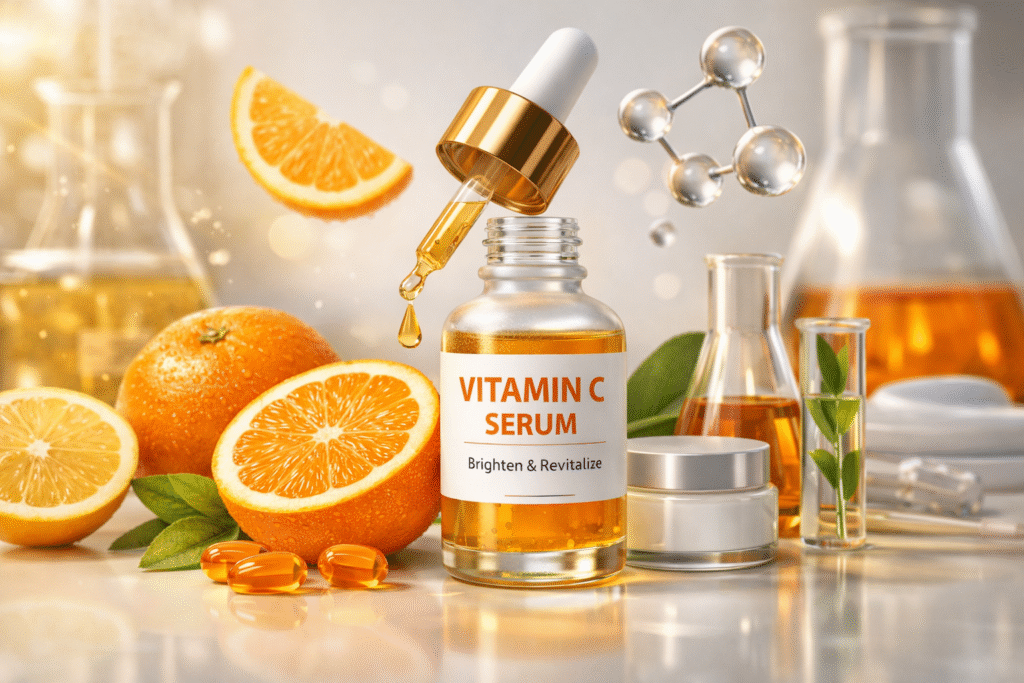
Vitamin C Serum: The Ultimate Guide to Brighter, Healthier Skin
Vitamin C serum is a powerful skincare essential known for its ability to brighten dull skin, reduce dark spots, and boost collagen production. Packed with antioxidant properties, vitamin C helps protect the skin from environmental damage caused by pollution and UV exposure. Regular use of a high-quality vitamin C serum improves skin texture, evens out skin tone, and enhances natural radiance. Suitable for all skin types, this lightweight and fast-absorbing serum works effectively to fight signs of aging, minimize fine lines, and promote healthy, glowing skin. Adding vitamin C serum to your daily skincare routine can visibly transform your complexion, making it smoother, firmer, and more youthful over time.
If glowing, youthful skin were a destination, vitamin C serum would be the fastest highway to get there. This powerhouse skincare ingredient has gone from dermatologist secret to bathroom-shelf essential—and for good reason. Whether you’re dealing with dullness, dark spots, fine lines, or uneven skin tone, vitamin C serum feels like that reliable friend who always shows up when your skin needs help.
Let’s break it all down—simply, honestly, and practically.
Table of Contents
What Is Vitamin C Serum?
Understanding Vitamin C in Skincare
Vitamin C is a potent antioxidant that helps neutralize free radicals—those unstable molecules that age your skin faster than time itself. In skincare, it’s used topically to brighten, protect, and repair the skin.
Think of vitamin C as your skin’s personal bodyguard, shielding it from pollution, UV damage, and daily stress.
Why Serums Are the Best Delivery System
Serums are lightweight, fast-absorbing, and highly concentrated. That means vitamin C can penetrate deeper into the skin compared to creams or lotions, delivering visible results faster.
How Vitamin C Serum Works on Skin
Antioxidant Power Explained
Every day, your skin battles pollution, sun exposure, and toxins. Vitamin C neutralizes these aggressors before they damage collagen and cause premature aging.
Collagen Stimulation Mechanism
Collagen is the scaffolding that keeps skin firm and plump. Vitamin C boosts collagen production, helping reduce fine lines and improve elasticity—like inflating a slightly deflated balloon.
Key Benefits of Vitamin C Serum
Skin Brightening & Glow
Vitamin C inhibits melanin production, which means fewer dark spots and a brighter, more even complexion.
Anti-Aging & Wrinkle Reduction
By supporting collagen synthesis, vitamin C smooths wrinkles and improves skin texture over time.
Protection Against Environmental Damage
It works as a second layer of defense when paired with sunscreen, strengthening your skin barrier against UV rays and pollution.
Different Types of Vitamin C Used in Serums
L-Ascorbic Acid
The purest and most powerful form. Highly effective but can be irritating for sensitive skin.
Sodium Ascorbyl Phosphate
Gentler, water-soluble, and great for acne-prone skin.
Magnesium Ascorbyl Phosphate
Hydrating and stable—perfect for dry and sensitive skin types.
Ascorbyl Glucoside
A slow-releasing form that offers brightness with minimal irritation.
Ideal Vitamin C Concentration for Skin
Beginner-Friendly Percentages
5%–10% is ideal if you’re new to vitamin C. Effective yet gentle.
Advanced & Professional Strengths
15%–20% works best for experienced users targeting pigmentation and aging.
Vitamin C Serum for Different Skin Types
Dry Skin
Look for formulas with hyaluronic acid or glycerin for added hydration.
Oily & Acne-Prone Skin
Opt for lightweight, water-based serums with sodium ascorbyl phosphate.
Sensitive Skin
Lower concentrations and derivative forms reduce irritation risk.
How to Use Vitamin C Serum Correctly
Morning vs Night Application
Morning use is ideal to protect against daily environmental damage. Always follow with sunscreen.
Layering with Other Skincare Products
Cleanser → Vitamin C Serum → Moisturizer → Sunscreen
Simple. Effective. No drama.
Vitamin C Serum and Sunscreen: A Power Duo
Why They Work Better Together
Vitamin C boosts the effectiveness of sunscreen, offering enhanced protection against UV-induced damage.
Common Mistakes When Using Vitamin C Serum
Overuse & Incorrect Storage
More isn’t better. Use once daily. Store in dark, airtight bottles to prevent oxidation.
If your serum turns dark orange or brown—it’s time to say goodbye.
Side Effects and Safety Tips
Who Should Avoid Vitamin C Serum?
Those with extremely sensitive or compromised skin should patch-test first or consult a dermatologist.
How to Choose the Best Vitamin C Serum
Ingredients to Look For
- Vitamin E
- Ferulic Acid
- Hyaluronic Acid
These ingredients stabilize vitamin C and enhance results.
Packaging Matters
Dark glass bottles or airless pumps protect the formula from light and air.
Vitamin C Serum Myths vs Facts
Clearing Popular Misconceptions
Myth: Vitamin C thins the skin
Fact: It actually strengthens skin by boosting collagen.
Vitamin C Serum for Men and Women
Is There Any Difference?
Skin is skin. The benefits apply equally, regardless of gender.
How Long Does Vitamin C Serum Take to Show Results?
Short-Term vs Long-Term Benefits
- Glow: 2–3 weeks
- Dark spots & wrinkles: 8–12 weeks
Consistency is the secret sauce.
Is Vitamin C Serum Worth Adding to Your Skincare Routine?
Final Verdict Before Conclusion
Absolutely. If skincare had a hall of fame, vitamin C serum would have a permanent spot.
Conclusion
Vitamin C serum is not a trend—it’s a skincare essential backed by science and real results. From brightening dull skin to fighting early signs of aging, it works quietly but powerfully behind the scenes. Whether you’re building a routine from scratch or upgrading your current one, adding a vitamin C serum is one of the smartest decisions your skin will thank you for—today and years down the line.
FAQs
1. Can I use vitamin C serum every day?
Yes, once daily is ideal for most skin types.
2. Can vitamin C serum cause acne?
No, but choosing the wrong formulation for your skin type might.
3. Should vitamin C serum tingle?
A mild tingle is normal; burning is not.
4. Can I mix vitamin C with niacinamide?
Yes, modern formulations allow safe layering.
5. Is vitamin C serum safe during pregnancy?
Generally yes, but always consult your doctor first.
Related posts:
 Hyaluronic Acid – The Ultimate Guide to Deep Hydration and Youthful Skin
 Niacinamide – The Ultimate Skincare Ingredient Explained
 Vitamin C, Sodium Ascorbyl Phosphate (SAP): A Complete Skincare Guide
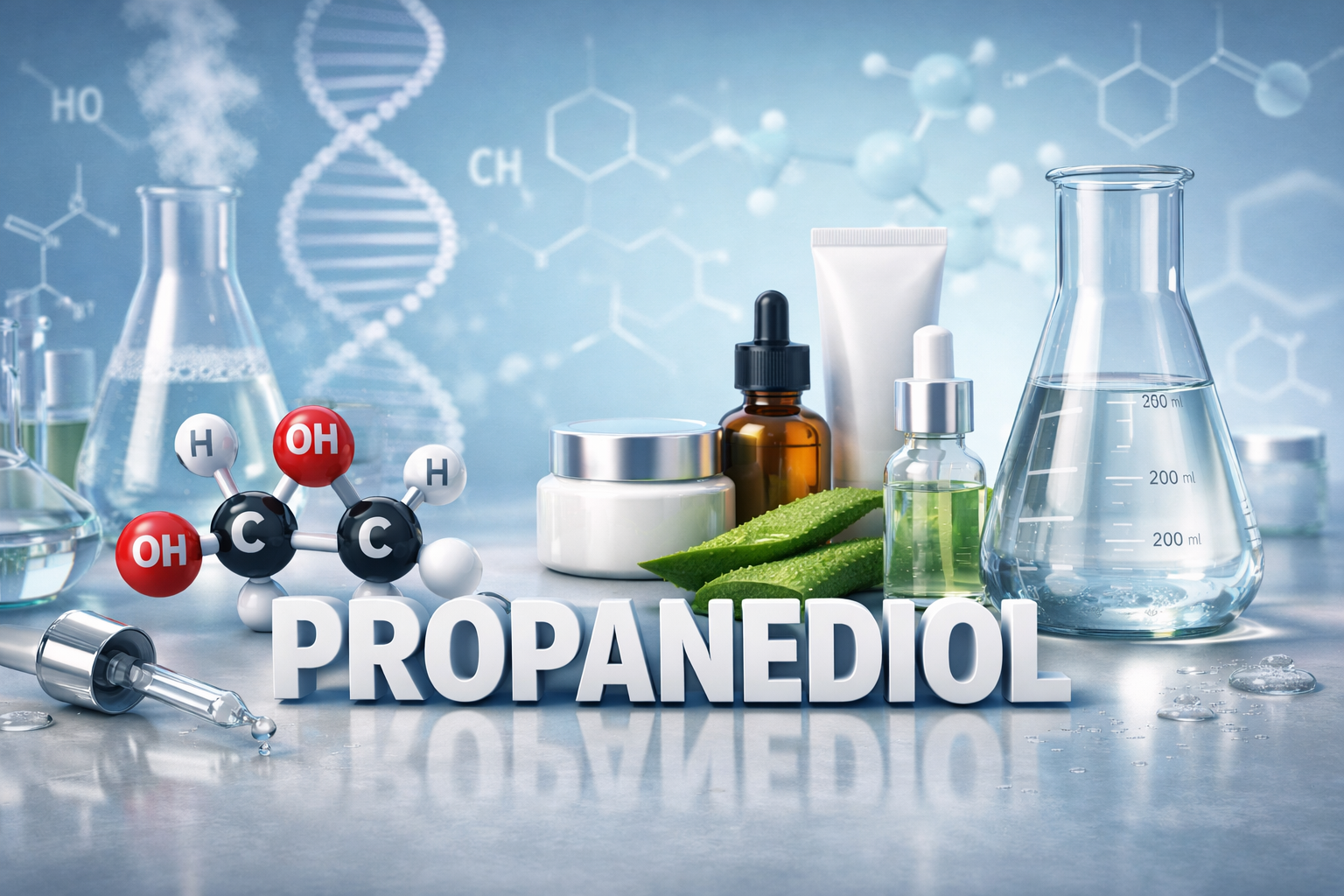 Propanediol: The Ultimate Guide to This High-Performance, Skin-Friendly Ingredient
 Hyaluronic Acid Serum – The Ultimate Guide to Deep Hydration and Youthful Skin
 Hyaluronic Acid Gel Benefits: Deep Hydration, Plump Skin & Daily Skincare Guide