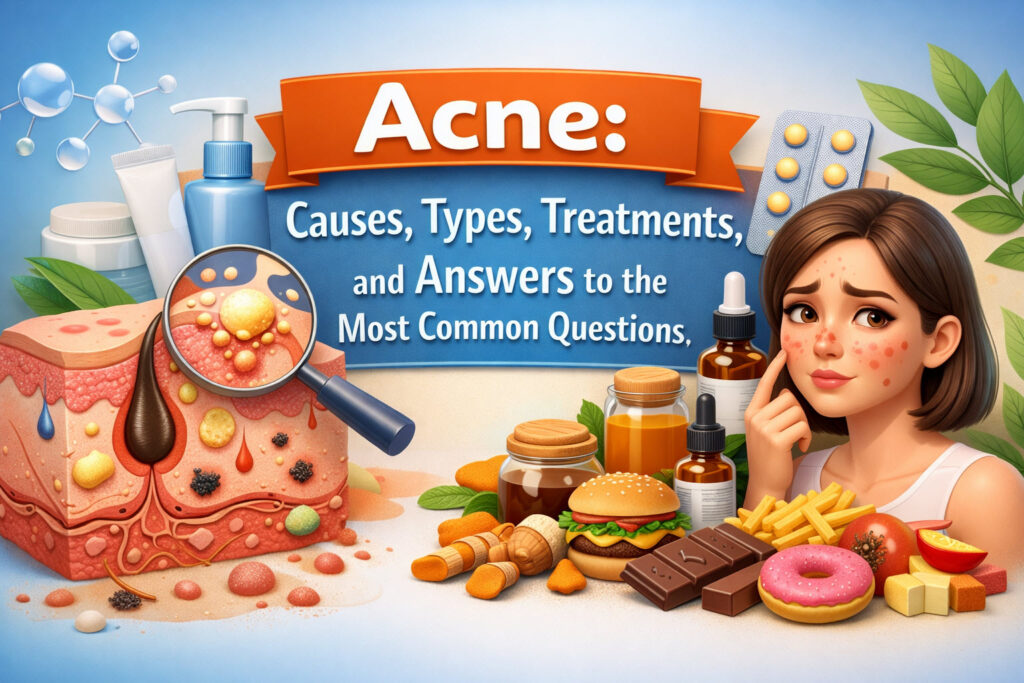
Acne: Causes, Types, Treatments, and Answers to the Most Common Questions
Acne is one of the most common skin conditions in the world, affecting millions of people across all age groups. While it is often associated with teenagers, acne can appear at any stage of life and can impact confidence, mental health, and overall skin health. Understanding acne—what causes it, how to treat it, and how to prevent it—is the first step toward clearer, healthier skin.
This detailed guide explains acne from the basics and answers the most frequently asked questions in a clear, science-backed, and easy-to-understand way.
Table of Contents
What Is Acne?
Acne is a chronic inflammatory skin condition that occurs when hair follicles (pores) become clogged with oil (sebum), dead skin cells, and bacteria. This blockage leads to the formation of different types of blemishes such as blackheads, whiteheads, pimples, cysts, and nodules.
Acne commonly appears on the:
- Face
- Forehead
- Chest
- Back
- Shoulders
These areas have the highest number of oil-producing (sebaceous) glands.
What Is the Main Cause of Acne?
The main cause of acne is clogged pores, but several factors contribute to this process:
Primary Causes of Acne
- Excess oil (sebum) production
- Dead skin cell buildup
- Bacterial growth (Cutibacterium acnes)
- Hormonal changes
- Inflammation
When these factors combine, pores become blocked, leading to breakouts.
What Is the Cause of Acne? (Detailed Explanation)
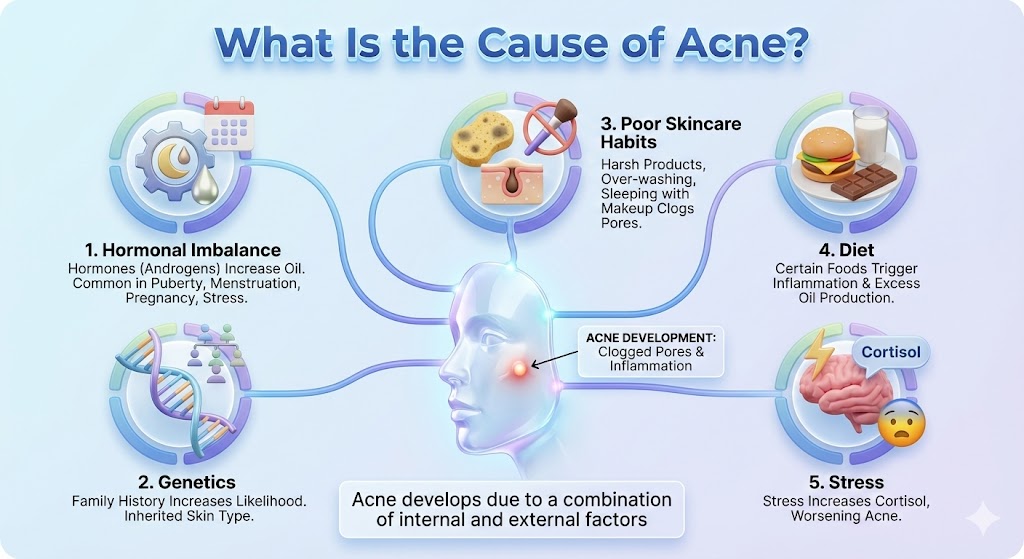
Acne develops due to a combination of internal and external factors:
1. Hormonal Imbalance
Hormones—especially androgens—increase oil production, making acne common during puberty, menstruation, pregnancy, and stress.
2. Genetics
If acne runs in your family, you are more likely to experience it.
3. Poor Skincare Habits
Using harsh products, over-washing, or sleeping with makeup can clog pores.
4. Diet
Certain foods can trigger inflammation and excess oil production.
5. Stress
Stress increases cortisol levels, which can worsen acne.
Is Acne the Same as Pimples?
No, acne and pimples are not exactly the same, though they are closely related.
- Acne is a skin condition.
- Pimples are a symptom of acne.
Acne includes many types of lesions, such as:
- Blackheads
- Whiteheads
- Papules
- Pustules (pimples)
- Cysts
- Nodules
Which Is Painful: Acne or Pimple?
Pimples are usually less painful, especially surface-level ones.
However:
- Cystic acne and nodular acne are deeper, inflamed, and much more painful.
- These severe forms can cause tenderness, swelling, and long-term scarring.
What Age Is Acne the Worst?
Acne is typically worst between the ages of 14 to 19, during puberty.
However:
- Adult acne is common between 25–45 years
- Hormonal acne is especially common in women
- Stress and lifestyle factors can worsen acne at any age
Is Acne Good or Bad?
Acne is not dangerous, but it is generally considered bad for skin health because:
- It can cause scarring
- It may lead to hyperpigmentation
- It can affect self-esteem and confidence
That said, acne is normal and treatable, and having acne does not mean poor hygiene.
How Can I Remove Acne?
Removing acne requires consistency and the right approach:
Effective Acne Treatment Methods
- Gentle cleansing twice daily
- Using non-comedogenic skincare products
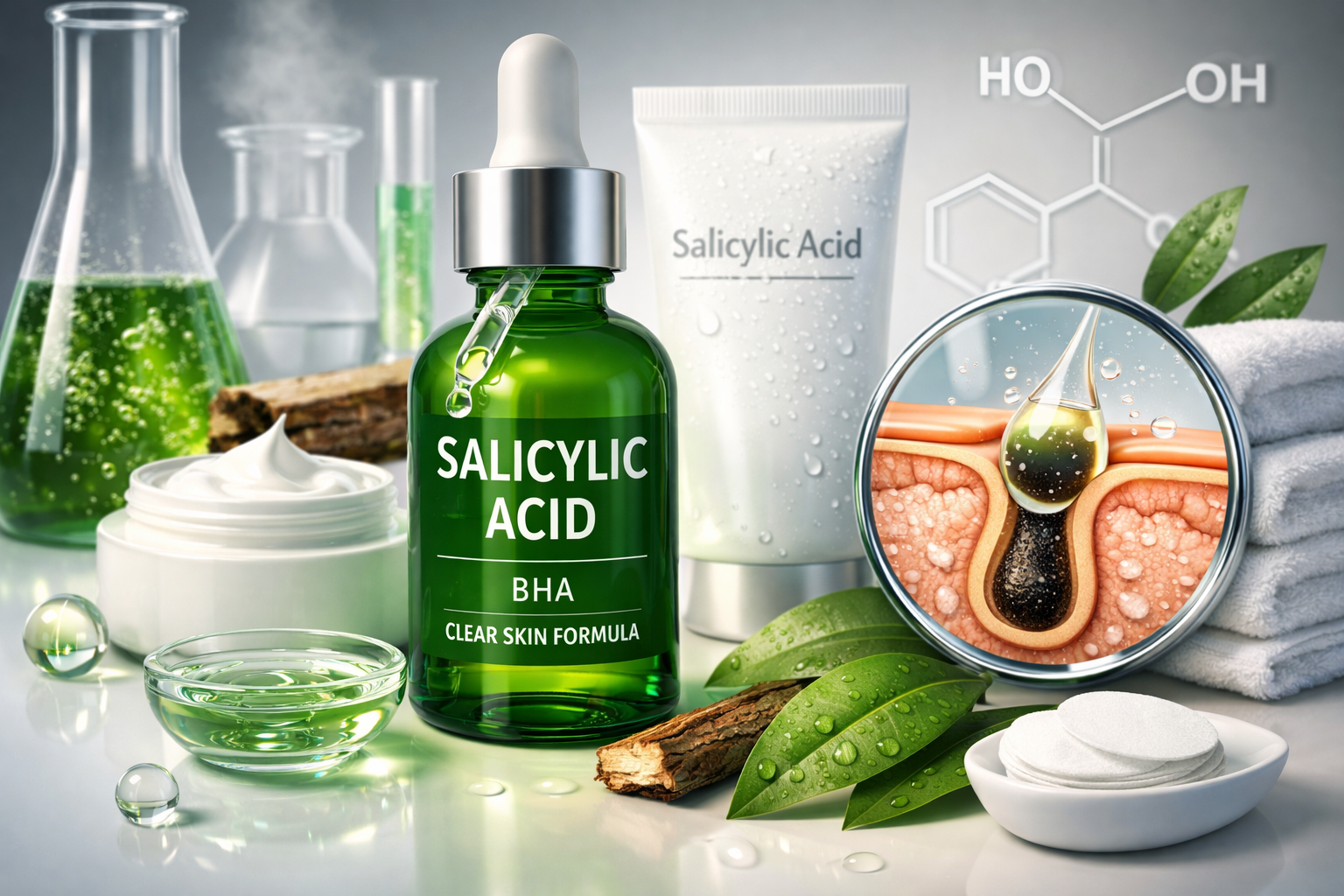
- Topical treatments (salicylic acid, benzoyl peroxide, niacinamide)
- Proper moisturization
- Sun protection
- Avoiding picking or popping acne
Severe acne may require professional dermatological treatment.
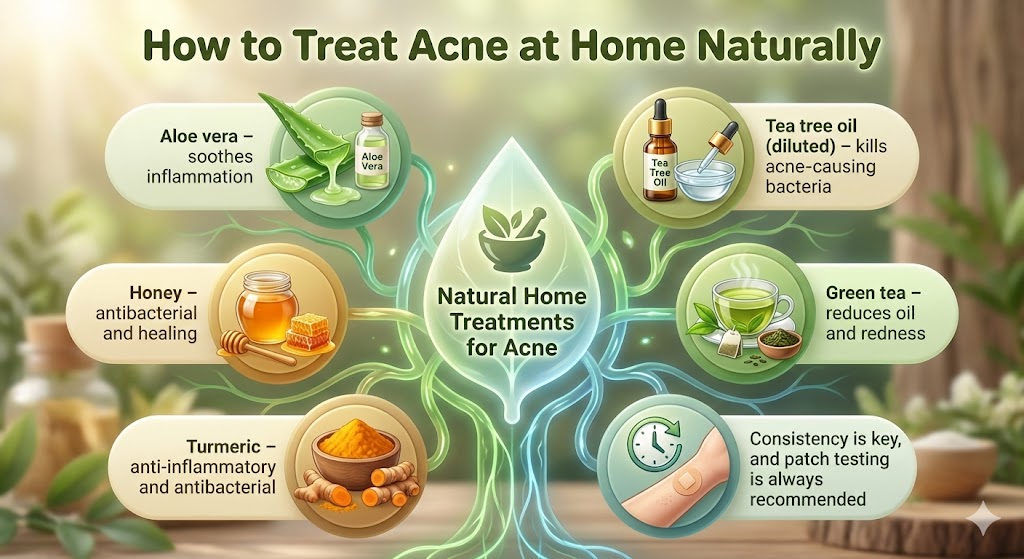
How to Treat Acne at Home Naturally
Home remedies can help mild to moderate acne when used correctly.
Natural Home Treatments for Acne
- Aloe vera – soothes inflammation
- Tea tree oil (diluted) – kills acne-causing bacteria
- Honey – antibacterial and healing
- Green tea – reduces oil and redness
- Turmeric – anti-inflammatory and antibacterial
Consistency is key, and patch testing is always recommended.
What Naturally Kills Acne?
Several natural ingredients help fight acne-causing bacteria:
- Tea tree oil
- Neem
- Aloe vera
- Apple cider vinegar (diluted)
- Zinc-rich foods
- Green tea extract
These ingredients help reduce inflammation, bacteria, and excess oil naturally.
What Foods Can Trigger Pimples?
Diet plays a significant role in acne development.
Common Acne-Triggering Foods
- Sugary foods and sweets
- Dairy products (especially milk)
- Fried and oily foods
- Fast food
- Processed snacks
- White bread and refined carbs
Eating a balanced, anti-inflammatory diet supports clearer skin.
Can Drinking Water Improve Your Skin?
Yes, drinking enough water can improve skin health, but it is not a cure for acne.
Benefits of proper hydration:
- Flushes out toxins
- Improves skin elasticity
- Reduces dryness
- Supports skin healing
While water alone won’t clear acne, it plays an important supportive role.
Is Acne Preventable?
Acne cannot always be completely prevented, but it can be effectively managed by:
- Maintaining a consistent skincare routine
- Eating a balanced diet
- Managing stress
- Avoiding harsh products
- Keeping skin clean but not over-washed
Final Thoughts
Acne is a common, treatable skin condition caused by clogged pores, hormones, bacteria, and lifestyle factors. Understanding the difference between acne and pimples, knowing what triggers breakouts, and following proper skincare and dietary habits can significantly improve skin health.
With the right care, patience, and consistency, clear and healthy skin is achievable at any age.