

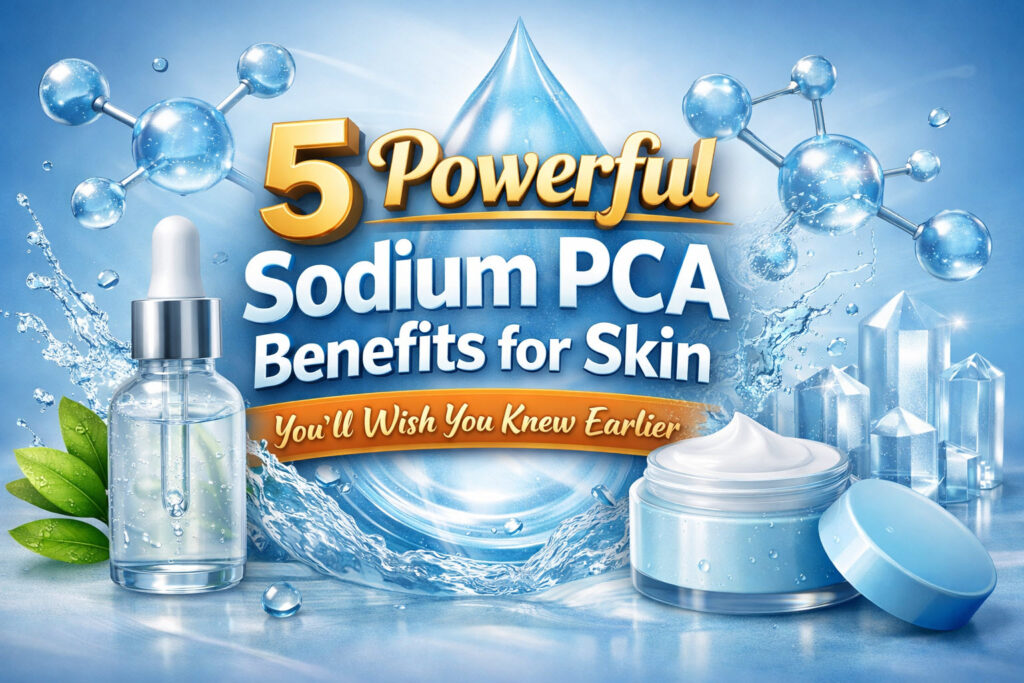
5 Powerful Sodium PCA Benefits for Skin You’ll Wish You Knew Earlier
Sodium PCA is one of the most powerful yet underrated skincare ingredients for deep hydration and long lasting moisture. Naturally found in the skin’s Natural Moisturizing Factor (NMF), Sodium PCA acts as a high-performance humectant that attracts and retains water, keeping the skin soft, smooth, and healthy. If you struggle with dry skin, dehydrated skin, oily skin, or a damaged skin barrier, Sodium PCA can be a game changer in your skincare routine.
One of the biggest Sodium PCA benefits for skin is its ability to deliver intense hydration without greasiness, making it ideal for oily and acne prone skin. Unlike heavy occlusives, Sodium PCA absorbs quickly, hydrates deeply, and helps balance excess oil production. This makes it a popular ingredient in hydrating serums, gel moisturizers, toners, and lightweight creams.
Another key benefit of Sodium PCA is skin barrier repair. By reducing transepidermal water loss (TEWL), it strengthens the skin’s protective barrier and helps defend against environmental stressors, pollution, and dryness. A healthy barrier means less irritation, improved elasticity, and a naturally glowing complexion.
Sodium PCA is also known for improving skin texture and softness. With regular use, it helps smooth rough patches, reduce flakiness, and enhance overall skin comfort. Because it is non comedogenic, fragrance-free, and skin identical, it is especially suitable for sensitive skin and compromised skin conditions.
When combined with ingredients like hyaluronic acid, niacinamide, ceramides, vitamin C, and peptides, Sodium PCA enhances absorption and boosts overall formulation performance. This makes it a favorite among dermatologists and skincare formulators looking to create gentle yet effective hydration focused products.
Whether you’re building a beginner skincare routine or optimizing advanced formulations, Sodium PCA delivers visible hydration, barrier support, and skin comfort all without irritation.
Table of Contents
Introduction to Sodium PCA
If your skin constantly feels tight, dull, or thirsty no matter how much moisturizer you apply, chances are it’s craving real hydration. That’s where Sodium PCA quietly shines. It’s not flashy like retinol or vitamin C, but trust me it’s a hydration powerhouse that your skin absolutely loves.
What Is Sodium PCA?
Sodium PCA (Sodium Pyrrolidone Carboxylic Acid) is a naturally occurring component of our skin. It’s part of the skin’s Natural Moisturizing Factor (NMF) the system responsible for keeping our skin hydrated, plump, and comfortable.
Think of it as your skin’s built in water magnet.
Why Sodium PCA Is Popular in Skincare
Skincare brands love Sodium PCA because:
- It mimics natural skin hydration
- It’s lightweight yet powerful
- It suits almost all skin types
No heaviness. No stickiness. Just smooth hydration.
How Sodium PCA Works on Skin
Understanding Natural Moisturizing Factors (NMF)
Your skin naturally contains humectants like amino acids, lactic acid, and Sodium PCA. These ingredients pull water into the skin and hold it there like a sponge.
Sodium PCA’s Role in Skin Hydration
Sodium PCA can bind up to 250 times its weight in water. That’s impressive. Once applied, it draws moisture from the environment and deeper skin layers, locking it into the outer layer.
Benefit #1: Deep Hydration Without Greasiness
Hydration doesn’t have to mean oily.
How Sodium PCA Attracts Water
Sodium PCA is a humectant, meaning it pulls water into the skin rather than sitting on top like oils or butters.
Ideal for Oily and Acne-Prone Skin
Because it’s oil free and lightweight:
- It won’t clog pores
- It won’t feel heavy
- It hydrates without shine
Perfect if your skin hates thick creams.
Benefit #2: Strengthens the Skin Barrier
A strong skin barrier equals happy skin.
Repairing Moisture Loss
When your barrier is damaged, water escapes easily. Sodium PCA helps reduce transepidermal water loss (TEWL), keeping hydration where it belongs.
Protection Against Environmental Stress
Pollution, harsh cleansers, and weather changes can weaken skin. Sodium PCA acts like a hydration shield, helping skin bounce back faster.
Benefit #3: Improves Skin Texture and Softness
Dry skin often feels rough, flaky, and uneven.
From Rough to Smooth Skin
With consistent use, Sodium PCA:
- Softens rough patches
- Smooths skin texture
- Makes skin feel supple and elastic
Daily Use Results
Many people notice smoother skin within days not weeks. It’s that effective.
Benefit #4: Suitable for Sensitive Skin
Sensitive skin needs kindness, not aggression.
Non-Irritating and Skin Friendly
Sodium PCA is:
- Non comedogenic
- Non sensitizing
- Naturally present in skin
That makes it extremely well tolerated.
Comparison with Other Humectants
Unlike some humectants that can sting (like high dose glycerin), Sodium PCA feels calm and soothing even on compromised skin.
Benefit #5: Boosts Effectiveness of Other Ingredients
Sodium PCA is a team player.
Works Well with Actives
It pairs beautifully with:
- Niacinamide
- Hyaluronic acid
- Vitamin C
- Ceramides
Enhancing Skincare Formulations
By keeping skin hydrated, Sodium PCA improves ingredient penetration and reduces irritation from stronger actives.
Sodium PCA for Different Skin Types
Dry Skin
Adds long-lasting hydration and reduces tightness.
Oily Skin
Hydrates without oil, helping balance sebum production.
Combination Skin
Keeps dry areas hydrated without overwhelming oily zones.
Sensitive Skin
Supports barrier repair and reduces irritation.
How to Use Sodium PCA in Your Skincare Routine
Serums
Look for Sodium PCA in hydrating serums applied on damp skin.
Moisturizers
It works beautifully in gel and cream moisturizers.
Toners
Hydrating toners with Sodium PCA prep skin for better absorption.
Sodium PCA vs Hyaluronic Acid
Key Differences
| Feature | Sodium PCA | Hyaluronic Acid |
|---|---|---|
| Skin Compatibility | Very high | High |
| Texture | Lightweight | Can feel sticky |
| Best For | Barrier hydration | Plumping |
Which One Is Better?
Honestly? Together they’re magic. Sodium PCA hydrates deeply, while hyaluronic acid plumps the skin.
Is Sodium PCA Safe for Daily Use?
Dermatologist Perspective
Dermatologists consider Sodium PCA safe, gentle, and effective for daily use even twice a day.
Recommended Concentrations
Typically used at 0.2%–2% in skincare formulations.
Common Myths About Sodium PCA
Clearing Up Misconceptions
- ❌ It’s not a harsh chemical
- ❌ It doesn’t exfoliate
- ❌ It won’t clog pores
It’s simply hydration science done right.
Dermatologist Tips for Using Sodium PCA
- Apply on Damp Skin – For maximum hydration, use Sodium PCA containing serums or toners on slightly damp skin to help lock in moisture.
- Layer with Other Humectants – Combine with ingredients like hyaluronic acid or glycerin for enhanced hydration.
- Use Daily for Best Results – Consistent use improves skin barrier function and texture.
- Pair with Moisturizer – Sodium PCA works best under a lightweight moisturizer to prevent water evaporation.
- Patch Test First – Though generally gentle, sensitive skin should always test new products on a small area.
Common Mistakes with Sodium PCA
- ❌ Skipping Moisturizer – Sodium PCA attracts water but doesn’t seal it in; always follow with a moisturizer.
- ❌ Using in Very Dry Environments Alone – In extremely dry climates, Sodium PCA may draw moisture from deeper skin layers, causing temporary dryness. Combine with occlusives.
- ❌ Overloading on Actives – While Sodium PCA is gentle, layering too many actives at once can cause irritation.
- ❌ Expecting Instant Plumping – Sodium PCA hydrates but doesn’t instantly “plump” like fillers; results appear gradually.
Who Should NOT Use Sodium PCA?
- Rare cases of allergic sensitivity to PCA or pyrrolidone compounds.
- Individuals with extremely compromised skin where professional guidance is required (e.g., severe eczema or burns).
Otherwise, Sodium PCA is considered safe for nearly all skin types, including sensitive and acne prone skin.
Medical Disclaimer (YMYL-Compliant)
The information provided in this article is for educational purposes only and is not intended as medical advice. Always consult a licensed dermatologist or healthcare professional before starting any new skincare regimen, especially if you have underlying skin conditions or allergies. Results may vary based on individual skin type, health, and product formulation.
Conclusion
Sodium PCA may not get the spotlight, but it’s one of the smartest ingredients you can add to your skincare routine. From deep hydration and barrier repair to improved texture and sensitivity support, its benefits are hard to ignore. If your skin feels dehydrated no matter what you try, Sodium PCA might just be the missing piece.
FAQs
1. What is Sodium PCA in skincare?
Sodium PCA is a natural humectant found in the skin that helps attract and retain moisture, supporting hydration and barrier function.
2. What are the benefits of Sodium PCA for skin?
It deeply hydrates, improves texture, strengthens the skin barrier, suits sensitive skin, and enhances the effectiveness of other skincare ingredients.
3. Can I use Sodium PCA daily?
Yes, Sodium PCA is safe for daily use and can be applied in serums, toners, or moisturizers.
4. Is Sodium PCA good for oily skin?
Absolutely. Sodium PCA hydrates without adding oil or clogging pores, making it ideal for oily or acne-prone skin.
5. Can Sodium PCA help with dry, flaky skin?
Yes, it attracts water to the skin, softens rough patches, and prevents flakiness over time.
6. Is Sodium PCA safe for sensitive skin?
Yes, it is non-irritating, fragrance free, and generally well-tolerated by sensitive skin.
7. How does Sodium PCA compare to hyaluronic acid?
Sodium PCA hydrates while mimicking skin’s natural moisturizing factors; hyaluronic acid primarily plumps the skin. Using both together gives optimal results.
8. Can Sodium PCA prevent signs of aging?
Indirectly, yes. By keeping the skin hydrated and supporting the barrier, it helps reduce fine lines caused by dryness and dehydration.
9. Should I use Sodium PCA in winter?
Yes, but combine with occlusive moisturizers to prevent water loss in dry, cold climates.
10. Are there any side effects of Sodium PCA?
Sodium PCA is generally safe, but rare allergic reactions can occur. Patch testing is recommended for first-time users.
Related posts:
 Sodium PCA: The Ultimate Guide to Superior Skin Hydration and Barrier Repair
 Sodium PCA Benefits: The Ultimate Guide to Deep Hydration and Healthy Skin
 Propanediol: The Ultimate Guide to This High-Performance, Skin-Friendly Ingredient
 Alpha Arbutin: Complete Guide to Benefits, Uses, Safety, and Skincare Science
 Biotin (Vitamin B7): The Complete Guide to Benefits, Uses, and Sources
 Glutathione – The Master Antioxidant Explained