

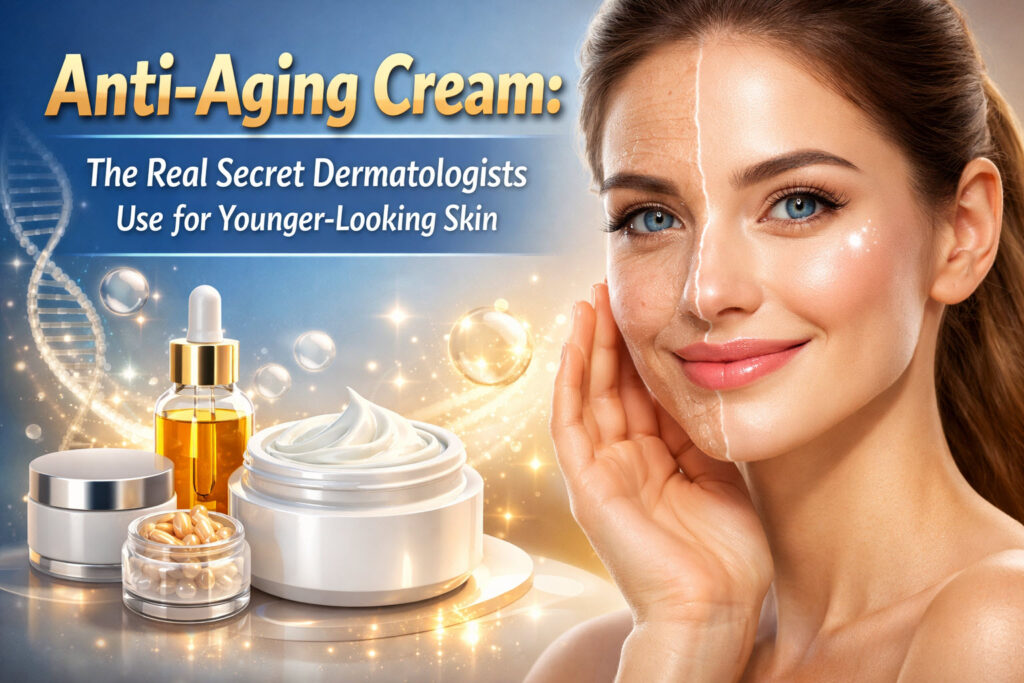
Anti Aging Cream: The Real Secret Dermatologists Use for Younger Looking Skin
Anti aging cream has become an essential part of modern skincare routines for anyone seeking younger looking, radiant, and healthier skin. Designed with dermatologist recommended ingredients, a high quality anti aging cream helps reduce the appearance of fine lines, wrinkles, age spots, and loss of firmness caused by aging, sun exposure, and environmental stressors.
Advanced anti aging creams work by deeply hydrating the skin, boosting collagen production, and improving skin elasticity. Ingredients like retinol, hyaluronic acid, vitamin C, peptides, niacinamide, and antioxidants play a key role in repairing damaged skin cells and protecting against premature aging. Regular use of an effective anti-aging cream can visibly smooth wrinkles, enhance skin texture, and restore a youthful glow.
Whether you are dealing with early signs of aging or more mature skin concerns, choosing the right anti-aging cream for your skin type is crucial. Lightweight formulas are ideal for oily and acne prone skin, while richer creams provide intense nourishment for dry and aging skin. Dermatologist approved anti aging creams are suitable for both men and women and can be safely incorporated into daily skincare routines.
Using an anti aging cream consistently, along with sunscreen and a healthy lifestyle, helps slow down visible aging and improves overall skin health. If you’re looking for a science backed solution to maintain firm, glowing, and youthful skin, an anti aging cream is a powerful step toward long term skin rejuvenation.
Disclaimer: “This content is for educational purposes and not medical advice.”
Table of Contents
Introduction to Anti Aging Creams
Aging is inevitable kind of like gravity. But looking older before your time? That’s optional. Anti aging creams have become a skincare staple for anyone who wants smoother, firmer, and healthier-looking skin without jumping straight to cosmetic procedures.
Why Skin Ages Over Time
As we age, our skin slows down. Collagen production drops, cell turnover becomes lazy, and moisture doesn’t stick around like it used to. Add sun exposure, pollution, stress, and poor sleep, and boom fine lines show up uninvited.
The Growing Demand for Anti Aging Skincare
Let’s be honest: everyone wants to age gracefully. The rise of anti-aging creams isn’t about chasing perfection—it’s about maintaining confidence, self-care, and skin health for the long run.
What Is an Anti Aging Cream?
An anti aging cream is a targeted skincare product designed to reduce visible signs of aging such as wrinkles, fine lines, sagging skin, and dullness.
Definition and Purpose
Think of it as a daily fitness routine for your skin. It nourishes, protects, repairs, and strengthens your skin barrier over time.
How Anti-Aging Creams Work
These creams work by delivering active ingredients deep into the skin to boost collagen, improve hydration, accelerate cell renewal, and fight free radical damage.
Key Signs of Skin Aging
Aging doesn’t show up overnight. It sneaks in quietly.
Fine Lines and Wrinkles
These usually appear first around the eyes, mouth, and forehead—areas that move the most.
Loss of Elasticity and Firmness
Skin starts to feel thinner and less bouncy, like a stretched-out rubber band.
Uneven Skin Tone and Texture
Dark spots, pigmentation, and rough patches become more noticeable.
Dullness and Dehydration
When skin lacks moisture, it loses that fresh, youthful glow.
Powerful Ingredients Found in Anti Aging Creams
Ingredients are everything. A cream is only as good as what’s inside it.
Retinol The Gold Standard
Retinol speeds up cell turnover and boosts collagen. It’s like pressing the reset button on your skin—but use it wisely.
Hyaluronic Acid for Deep Hydration
This ingredient holds up to 1000 times its weight in water. Translation? Plump, juicy skin.
Vitamin C for Brightening
Vitamin C fades dark spots, boosts glow, and protects against environmental damage.
Peptides for Skin Repair
Peptides signal your skin to repair itself, improving firmness and elasticity.
Natural Extracts and Antioxidants
Green tea, aloe vera, niacinamide, and botanical extracts soothe and protect aging skin.
Benefits of Using Anti Aging Cream Regularly
Consistency is where the magic happens.
Smoother and Plumper Skin
Regular use helps soften fine lines and improve skin texture.
Improved Skin Barrier
Healthy skin holds moisture better and resists irritation.
Long Term Youthful Appearance
Anti aging creams don’t stop time but they definitely slow it down.
How to Choose the Best Anti Aging Cream
Not all creams are created equal.
According to Skin Type
- Dry skin: Look for rich, hydrating formulas
- Oily skin: Choose lightweight, non comedogenic creams
- Sensitive skin: Avoid fragrance and harsh actives
According to Age Group
- 20s: Prevention and hydration
- 30s: Early fine lines and brightness
- 40s+: Firmness, wrinkles, and repair
Reading Labels Like a Pro
Focus on active ingredients, not fancy packaging.
How to Use Anti Aging Cream Correctly
Even the best cream won’t work if used wrong.
Morning vs Night Application
Morning creams protect; night creams repair. Both matter.
Layering with Other Skincare Products
Cleanser → Serum → Anti-aging cream → Sunscreen (AM)
Common Application Mistakes to Avoid
Using too much, skipping sunscreen, or expecting overnight miracles.
Anti Aging Creams vs Serums
Confused? You’re not alone.
Key Differences
Serums are concentrated and lightweight; creams seal everything in.
Which One Should You Use?
Use both for best results they’re a power couple.
Myths and Facts About Anti Aging Creams
Can Creams Remove Wrinkles Permanently?
No but they can significantly reduce their appearance.
Are Expensive Creams Always Better?
Not at all. Ingredients matter more than price.
Lifestyle Tips to Boost Anti Aging Results
Skincare doesn’t work in isolation.
Diet and Hydration
Eat antioxidant rich foods and drink enough water.
Sun Protection Is Non Negotiable
No sunscreen = faster aging. Period.
Sleep, Stress, and Skin Health
Beauty sleep isn’t a myth it’s science.
Are Anti Aging Creams Safe?
Generally, yes when used correctly.
Possible Side Effects
Mild irritation or dryness, especially with retinol.
Patch Testing and Precautions
Always patch test before full use.
Who Should Start Using Anti-Aging Creams?
Early Prevention vs Correction
Prevention is easier than correction. Start early.
Men and Women Both Benefit
Good skin has no gender.
Dermatologist Tips for Using Anti Aging Cream Effectively
- Start slow with active ingredients
Dermatologists recommend beginning with a small amount, especially if the cream contains retinol or acids. Use it 2–3 times a week first, then increase gradually. - Always apply sunscreen during the day
Anti aging ingredients can make skin more sensitive to sunlight. A broad spectrum SPF 30 or higher is essential every morning. - Use on clean, slightly damp skin
Applying anti aging cream after cleansing helps ingredients absorb better and work more efficiently. - Be consistent, not aggressive
Visible anti aging results come from regular use over weeks not from overusing the product. - Pair with a gentle skincare routine
Avoid harsh scrubs or strong exfoliants when using anti aging creams to prevent irritation.
Common Mistakes People Make with Anti Aging Cream
- Using too much product
More cream does not mean faster results. Overuse can cause redness, dryness, or breakouts. - Skipping sunscreen
This is the biggest mistake. Sun exposure can cancel out all anti aging benefits. - Expecting overnight results
Anti aging creams work gradually. Most dermatologists suggest waiting 4–8 weeks for visible improvement. - Mixing too many active ingredients
Combining retinol, acids, and vitamin C without guidance can irritate the skin. - Applying too close to the eyes
The eye area is delicate and should only be treated with eye specific products.
Who Should NOT Use Anti Aging Cream?
- People with extremely sensitive or compromised skin
Those with eczema, rosacea, or active skin infections should consult a dermatologist first. - Individuals with known ingredient allergies
If you’re allergic to retinol, fragrances, or preservatives, check the ingredient list carefully. - Pregnant or breastfeeding women (certain formulas)
Anti aging creams containing retinoids should be avoided unless approved by a doctor. - Those with recently treated skin
Avoid use after chemical peels, laser treatments, or microneedling until skin fully heals. - Teenagers without aging concerns
Strong anti aging actives are unnecessary for young skin and may disrupt the skin barrier.
Medical Disclaimer
The information provided on this website is for educational and informational purposes only and is not intended as medical advice. Anti aging creams and skincare products may produce different results depending on individual skin type, condition, and sensitivity. This content should not be used as a substitute for professional medical diagnosis, treatment, or advice.
Always consult a qualified dermatologist or healthcare professional before starting any new skincare product, especially if you have a known skin condition, allergies, are pregnant, breastfeeding, or undergoing medical treatment. Discontinue use immediately and seek medical advice if irritation, redness, or adverse reactions occur.
The use of any product discussed is at the user’s own discretion and risk. Results are not guaranteed, and individual outcomes may vary.
Conclusion
Anti-aging creams are not about reversing time they’re about respecting your skin and giving it what it needs to age beautifully. With the right ingredients, consistency, and lifestyle habits, youthful skin isn’t a dream it’s a routine.
FAQ’s
1. What does an anti aging cream do?
An anti aging cream helps reduce fine lines, wrinkles, and age spots by boosting hydration, collagen production, and skin cell renewal.
2. At what age should you start using anti-aging cream?
Most dermatologists recommend starting anti aging creams in your mid-20s to early 30s to prevent early signs of aging.
3. How long does anti aging cream take to work?
Visible results usually appear within 4 to 8 weeks of consistent use, depending on the ingredients and skin type.
4. Can anti aging cream remove wrinkles permanently?
Anti aging creams cannot permanently remove wrinkles, but they can significantly reduce their appearance and improve skin texture.
5. Is anti aging cream safe for daily use?
Yes, most anti aging creams are safe for daily use when applied as directed and paired with sunscreen during the day.
6. What ingredients should I look for in an anti aging cream?
Effective anti aging creams often contain retinol, hyaluronic acid, vitamin C, peptides, niacinamide, and antioxidants.
7. Can people with sensitive skin use anti aging cream?
Yes, but they should choose fragrance free formulas and perform a patch test before regular use.
8. Should anti aging cream be used at night or during the day?
Anti aging creams can be used both morning and night, but stronger formulas with retinol are best applied at night.
9. Do men need a different anti aging cream than women?
No, anti aging creams work the same for men and women; skin type and concerns matter more than gender.
10. Is sunscreen necessary when using anti aging cream?
Yes, sunscreen is essential because sun exposure accelerates aging and can reduce the effectiveness of anti aging products.
Related posts:
 Hyaluronic Acid Serum – The Ultimate Guide to Deep Hydration and Youthful Skin
 Hyaluronic Acid Gel Benefits: Deep Hydration, Plump Skin & Daily Skincare Guide
 Night Repair Cream: The Ultimate Guide to Overnight Skin Renewal
 Titanium Dioxide – Uses, Benefits, Safety, and Applications Explained
 Glutathione Glow Serum – The Ultimate Guide to Radiant, Even-Toned Skin
 Rose Water Toner: The Complete Guide to Natural Skin Refreshment