

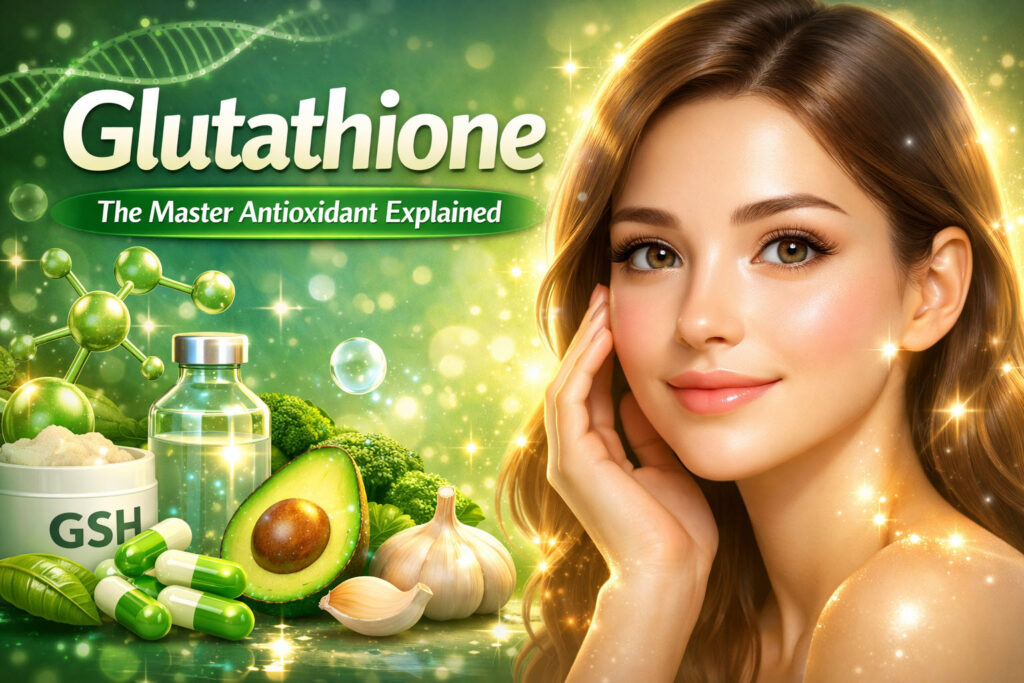
Glutathione – The Master Antioxidant Explained
Glutathione – The Master Antioxidant Explained is a comprehensive, in-depth guide that uncovers the science, benefits, and real-world applications of glutathione, one of the most powerful antioxidants naturally produced by the human body. Known for its critical role in detoxification, immune support, anti-aging, and skin brightening, glutathione has gained massive attention in the health, wellness, and skincare industries.
This detailed article explains what glutathione is, how it functions at a cellular level, and why it is often referred to as the “master antioxidant.” You’ll learn how glutathione neutralizes free radicals, supports liver detox pathways, strengthens immunity, and helps maintain youthful, glowing skin. The guide also explores the connection between glutathione and skin tone improvement, hyperpigmentation reduction, acne control, and overall skin health, making it especially valuable for skincare professionals and beauty brands.
In addition, the article covers dietary sources of glutathione, sulfur-rich foods that boost natural production, and the most effective glutathione supplement forms, including oral, liposomal, and IV glutathione. Safety, dosage guidelines, absorption factors, and common myths versus scientific facts are discussed in a clear, easy-to-understand way.
Whether you are a health enthusiast, skincare formulator, cosmetic brand owner, or wellness blogger, this SEO-friendly guide provides trustworthy information backed by science while remaining engaging and human-written. Perfect for readers searching for glutathione benefits for skin, glutathione for detox, and glutathione supplements explained, this article delivers both educational and commercial value.
Table of Contents
If antioxidants were superheroes, glutathione would be the leader of the pack. Quiet, powerful, and always working behind the scenes, this molecule plays a massive role in keeping your body healthy, youthful, and resilient. From glowing skin to liver detox and immune defense, glutathione is one of those nutrients your body simply can’t live without.
But what exactly is glutathione, and why is everyone suddenly talking about it? Let’s break it down in a simple, human way—no lab coat required.
What Is Glutathione?
Definition and Basic Overview
Glutathione is a naturally occurring antioxidant made inside your body. It’s composed of three amino acids: glutamine, cysteine, and glycine. Think of it as a tiny but mighty cleanup crew that protects your cells from damage and keeps everything running smoothly.
Natural Presence in the Human Body
Unlike many antioxidants you get only from food, glutathione is produced in almost every cell of your body. High concentrations are found in the liver, brain, lungs, and immune cells, which tells you just how important it is.
Why Is Glutathione Called the Master Antioxidant?
Role in Neutralizing Free Radicals
Free radicals are unstable molecules that damage cells, accelerate aging, and contribute to chronic diseases. Glutathione neutralizes these troublemakers before they can cause harm—like a fire extinguisher putting out sparks before a blaze starts.
Relationship with Other Antioxidants
Vitamin C and Vitamin E Recycling
Here’s where glutathione really shows off. It doesn’t just fight free radicals itself; it recycles other antioxidants like vitamin C and vitamin E, reactivating them after they’ve done their job. That’s why it’s called the master antioxidant.
Types of Glutathione
Reduced Glutathione (GSH)
This is the active, usable form of glutathione. High levels of GSH are a sign of strong antioxidant defense and good cellular health.
Oxidized Glutathione (GSSG)
When glutathione neutralizes free radicals, it becomes oxidized. A healthy body quickly converts it back to GSH. The balance between GSH and GSSG is a key marker of oxidative stress.
How Glutathione Works Inside the Body
Cellular Protection Mechanism
Glutathione lives inside your cells, protecting DNA, proteins, and cell membranes from oxidative damage. Without it, cells become vulnerable—like a phone without a screen protector.
Detoxification Pathways
Liver Function and Toxin Removal
Your liver relies heavily on glutathione to detoxify alcohol, drugs, heavy metals, and environmental toxins. In simple terms, glutathione helps your liver take out the trash efficiently.
Health Benefits of Glutathione
Immune System Support
Glutathione strengthens immune cells and helps them respond effectively to infections. Low levels are often linked to frequent illness and slow recovery.
Anti-Aging Properties
By reducing oxidative stress, glutathione slows down cellular aging. This means healthier skin, better energy levels, and improved overall vitality.
Brain and Cognitive Health
The brain is highly sensitive to oxidative damage. Glutathione protects neurons and supports memory, focus, and mental clarity.
Cardiovascular Benefits
Healthy glutathione levels help maintain blood vessel function and reduce inflammation, supporting heart health over time.
Glutathione for Skin Health
Skin Brightening and Even Tone
One of the most talked-about benefits of glutathione is skin brightening. It works by shifting melanin production toward a lighter pigment, resulting in a more even skin tone.
Reduction of Hyperpigmentation
Dark spots, melasma, and uneven patches can appear less noticeable with consistent glutathione support.
Anti-Acne and Skin Repair Effects
Its anti-inflammatory and detoxifying properties help calm acne-prone skin and support faster healing.
Glutathione for Liver Health
Protection Against Toxins
From pollution to processed foods, toxins are everywhere. Glutathione acts as a shield, protecting liver cells from damage.
Support in Fatty Liver Conditions
Research suggests glutathione may help reduce oxidative stress associated with fatty liver disease.
Glutathione and Immune Function
Fighting Infections
Glutathione boosts the activity of white blood cells, helping your body fight viruses and bacteria more effectively.
Role in Chronic Inflammation
By reducing oxidative stress, glutathione helps calm chronic inflammation—a root cause of many modern diseases.
Dietary Sources of Glutathione
Fruits and Vegetables Rich in Glutathione
Spinach, avocados, asparagus, and okra are natural sources of glutathione.
Sulfur-Rich Foods
Importance of Sulfur Amino Acids
Garlic, onions, eggs, and cruciferous vegetables provide sulfur, which your body needs to produce glutathione.
Glutathione Supplements
Oral Supplements
Capsules and tablets are common but may have limited absorption.
Liposomal Glutathione
This form offers better bioavailability by protecting glutathione through digestion.
Intravenous (IV) Glutathione
IV glutathione delivers it directly into the bloodstream and is often used in clinical or aesthetic settings.
Absorption and Bioavailability
Factors Affecting Absorption
Age, stress, poor diet, and illness can lower glutathione levels.
How to Improve Glutathione Levels Naturally
Adequate sleep, regular exercise, and a diet rich in antioxidants help boost natural production.
Glutathione Dosage and Usage
Recommended Dosage
Common oral doses range from 250–500 mg per day, depending on individual needs.
Duration and Consistency
Consistency matters more than speed. Benefits are usually seen after weeks of regular use.
Safety, Side Effects, and Precautions
Common Side Effects
Glutathione is generally safe, but mild bloating or cramps may occur in some individuals.
Who Should Avoid Glutathione?
Pregnant women and people with asthma or chronic conditions should consult a healthcare professional.
Myths and Facts About Glutathione
Skin Whitening Myths
Glutathione doesn’t bleach skin. It supports a brighter, healthier tone by reducing oxidative stress.
Scientific Facts vs Marketing Claims
It’s powerful—but not magic. Lifestyle and consistency matter just as much.
Glutathione in Skincare and Cosmetics
Topical Glutathione
Used in serums and creams, it helps protect skin from environmental damage.
Combination with Other Actives
It works beautifully with vitamin C, niacinamide, and alpha arbutin.
Future Research and Emerging Trends
Medical Applications
Researchers are exploring glutathione’s role in neurodegenerative diseases and metabolic disorders.
Glutathione in Anti-Aging Therapies
Its ability to protect cells makes it a promising anti-aging compound.
Conclusion
Glutathione isn’t just another supplement—it’s a cornerstone of good health. From detoxification and immune defense to radiant skin and graceful aging, this master antioxidant works tirelessly to keep your body in balance. Supporting your glutathione levels through diet, lifestyle, and smart supplementation is one of the best long-term investments you can make in your health.
Frequently Asked Questions (FAQs)
1. Is glutathione safe for daily use?
Yes, when used within recommended doses, it is generally safe for daily use.
2. How long does glutathione take to show results?
Most people notice benefits within 4–8 weeks of consistent use.
3. Can glutathione improve skin tone naturally?
Yes, it supports even skin tone by influencing melanin production.
4. Is IV glutathione better than oral supplements?
IV offers faster results, but oral and liposomal forms work well with consistency.
5. Can glutathione be taken with vitamin C?
Absolutely. Vitamin C enhances glutathione’s effectiveness.
Related posts:
 CDEA (Cocamide Diethanolamine): Complete Guide for Cosmetic & Personal Care Formulations
 Propanediol: The Ultimate Guide to This High-Performance, Skin-Friendly Ingredient
 Kojic Acid: Benefits, Uses, Safety, and How It Transforms Your Skin
 Alpha Arbutin: Complete Guide to Benefits, Uses, Safety, and Skincare Science
 Biotin (Vitamin B7): The Complete Guide to Benefits, Uses, and Sources
 Sodium PCA Benefits: The Ultimate Guide to Deep Hydration and Healthy Skin